









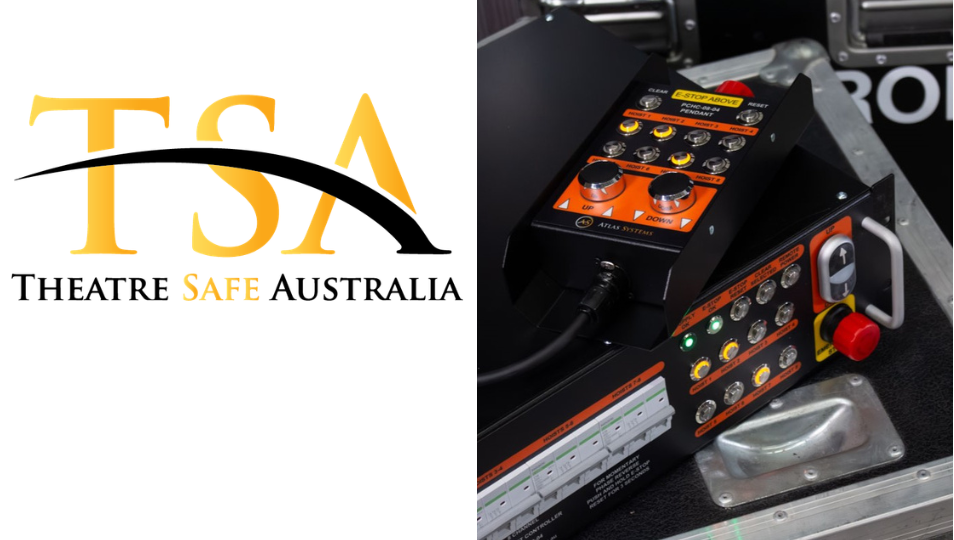
Two hoist controllers can look identical on the outside but behave very differently when it comes to safety. Its important to know how to spot a safe and compliant hoist controller.
In venues across Australia, the real risks often sit inside the controller itself. Before you rely on a unit to lift scenery, equipment or overhead loads, it’s worth knowing the features that truly keep people safe. Here’s what matters long before you press GO.
THE HEART OF YOUR HOISTING SYSTEM
When safety starts before the motor even moves
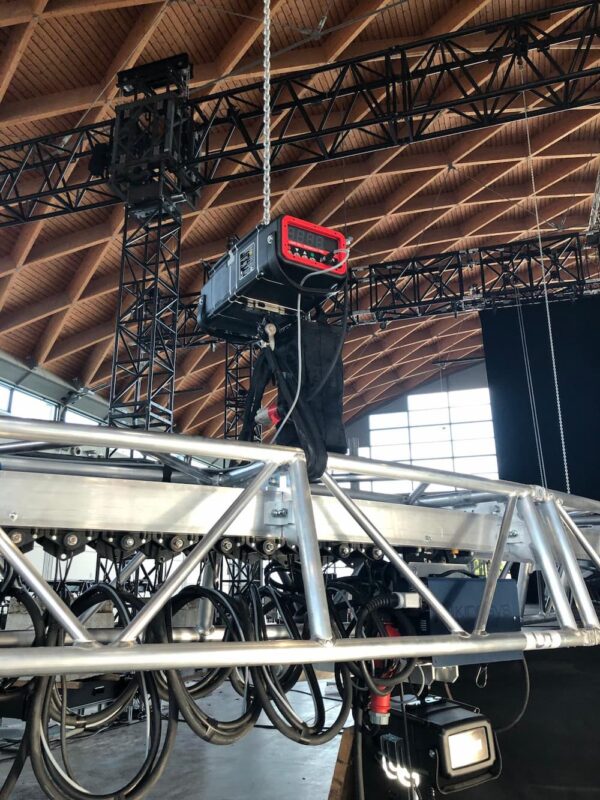
If you work around hoists every day, you already know this: what happens at the motor is only as safe as the controller driving it.
From the outside, most fixed -speed controllers look identical. Same buttons. Same case. Same cables. And that’s where people often get caught out. Because inside those boxes, the difference between a safe and compliant hoist controller and a risky one can be significant.
At TSA, we see this across schools, community theatres, rental companies and commercial spaces. A controller turns on, so people assume it must be compliant. But when you look closer, the story can shift quickly.
A safe controller protects people first , equipment second and the show always . This guide breaks down the features that matter most so you can make informed decisions before your next purchase or installation.
WHY FEATURES MATTER MORE THAN PRICE
When the inside matters more than the sticker
A controller isn’t just a switchboard for hoists. It’s the brain of the system. The part that determines:
- how safely your hoists operate
- how tolerant the system is to wiring or phase issues
- whether it meets Australian safety requirements
- how easily faults can be diagnosed
- how reliably the system performs under real conditions
From TSA’s experience supporting venues across the country, these aren’t optional
extras. They’re the fundamentals of safe lifting.
This guide isn’t about comparing brands. It’s about giving the industry a clear understanding of what safe, compliant and practical actually looks like.
1. PHASE DETECTION AND PHASE ALIGNMENT
A feature most operators forget until it’s too late
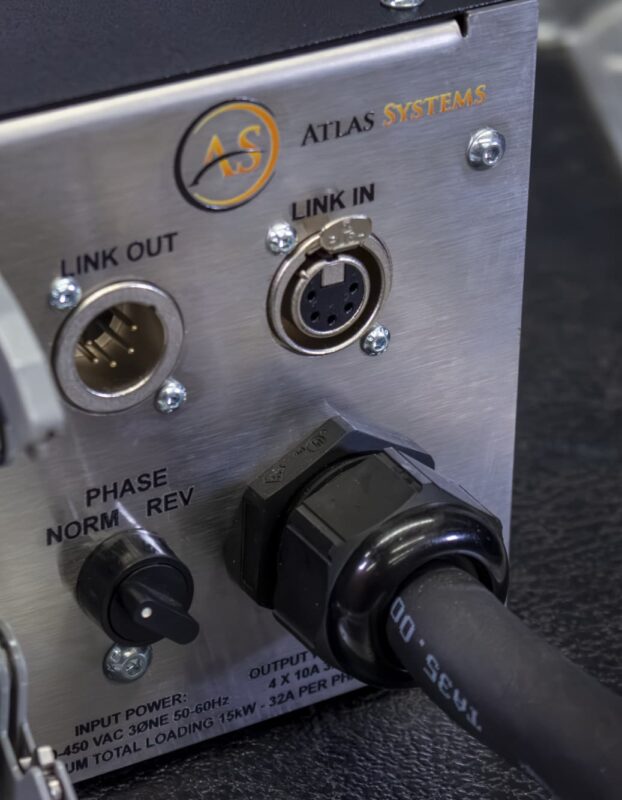
Incorrect phase alignment can cause a hoist to travel in the opposite direction to the control input or even stop limit switches causing the chain to drop out and the hoist causing serious risk of injury or damage . That’s not just inconvenient. It’s dangerous.
A safe controller will either:
provide automatic phase reversal detection, or offer a clear, simple manual phase correction
Both approaches ensure predictable behaviour, especially when power sources change or multiple operators rotate through a show or installation.
If you want a deeper explanation, We already wrote an article on phase -detection, click here to read it .
2. HOIST MONITORING & SAFE INTERLOCK BEHAVIOUR
Making sure the controller only moves when it’s safe to move
This is actually one of the most important – and most misunderstood – safety functions in a hoist controller.
A compliant controller must verify essential hoist signals before allowing movement.
This prevents unsafe operation when something isn’t connected, isn’t healthy, or isn’t in the correct state.
A safe system should ensure:
- all required hoist signals are present (e.g., thermal OK, brake OK, limit circuit closed)
- the controller will not energise a hoist if any safety signal is missing
- unexpected signals trigger a safe stop
- the operator cannot override or bypass interlocks
When these interlocks work correctly, the system refuses to move under unsafe conditions. That means fewer near -misses, fewer damaged hoists, and a dramatically reduced risk of uncontrolled motion.
3. A COMPLIANT EMERGENCY STOP SYSTEM
The button you hope no one needs but must always work
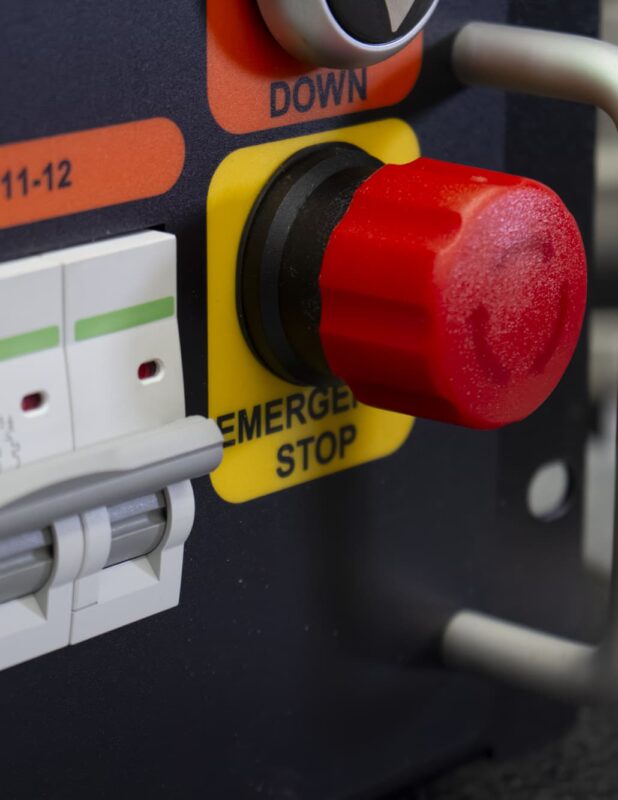
Not all E -Stops behave the same, and in lifting systems, the stakes are higher.
A safe and compliant controller uses:
- dual -channel E -Stop circuitry
- a safety -rated relay suited to the application
- proper isolation of control voltage
Some low – cost controllers simply remove power when you hit E -Stop. It looks similar on the surface, but operationally it is not the same level of protection. That shortcut may not meet Australian requirements and does not reliably safeguard people or equipment.
A compliant E -Stop should shut the system down safely and predictably , without creating new hazards.
4. CLEAR FEEDBACK AND OPERATOR INDICATORS
Clarity reduces mistakes
When operators are working quickly during bump -ins, resets or touring rig changes, clarity matters.
Useful feedback includes:
- direction indicators
- fault indicators
- phase status
- active channel indicators
- encoder or load information where appropriate
Clear operator feedback supports safer operation, faster troubleshooting and cleaner handovers between crews.
5. DOCUMENTATION, WARRANTY & SUPPORT
The features you only notice when something goes wrong
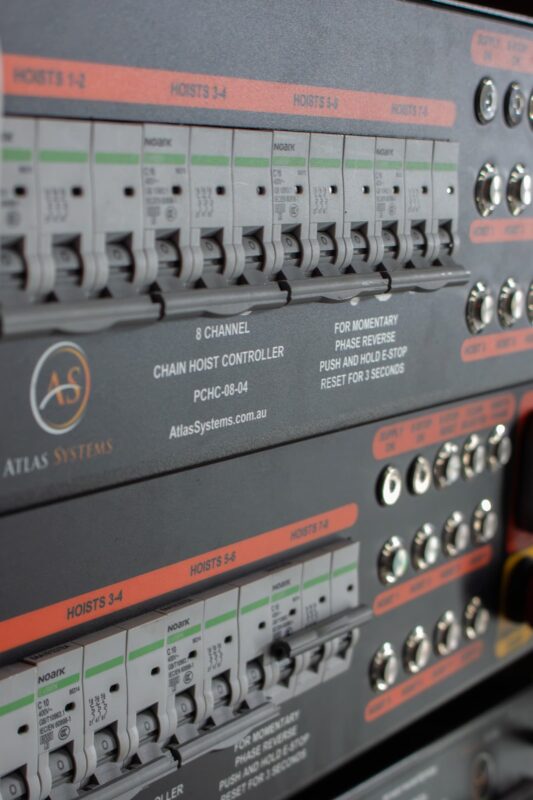
A safe controller isn’t judged only by how it performs on day one. It’s also about how well it can be serviced, repaired and supported across its entire lifespan.
A reliable controller includes:
- installation and setup guidance
- service and maintenance support
- a meaningful warranty
- local technicians who can repair the unit
This is where many imported OEM controllers fall short. Without local documentation, parts or support, even small issues can become major problems.
Australian -designed controllers are generally easier to maintain because they’re built for Australian environments, Australian power conditions and Australian venues.
WHY THESE FEATURES MATTER
The difference between peace of mind and crossed fingers
When these features come together, you get:
- Safety – for performers, operators and staff
- Compliance – with Australian standards and industry expectations
- Reliability – during shows, changeovers and daily use
- Usability – that reduces mistakes and downtime
- Longevity – that delivers true long -term value
These aren’t optional. They’re essential for safe lifting in any Australian venue.
WHERE ATLAS FITS IN
Designed for theatres. Tested by crews. Supported in Australia.
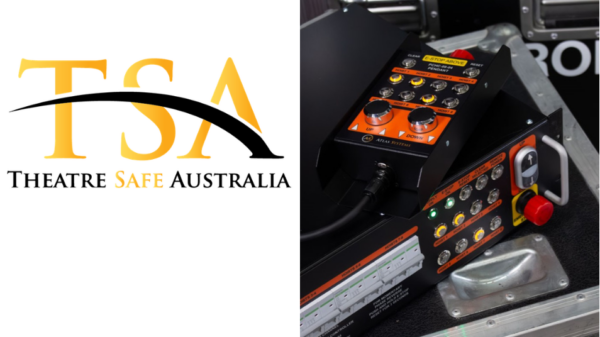
Atlas hoist controllers —the Basic, Pro and Smart —were developed through ongoing work with technicians, venue operators and touring crews across Australia. They integrate the features outlined above because they were built in response to real problems we see in the field.
Atlas controllers are:
- designed and manufactured in Australia
- tested in live theatre environments
- supported locally by TSA’s technical team
- developed through industry feedback and on -site experience
FINAL TAKEAWAY
Safe lifting starts with the controller you trust
A hoist controller isn’t just a box with buttons.
It’s the backbone of your lifting system and one of the most important tools for keeping people and equipment safe.
theatresafe.com.au