







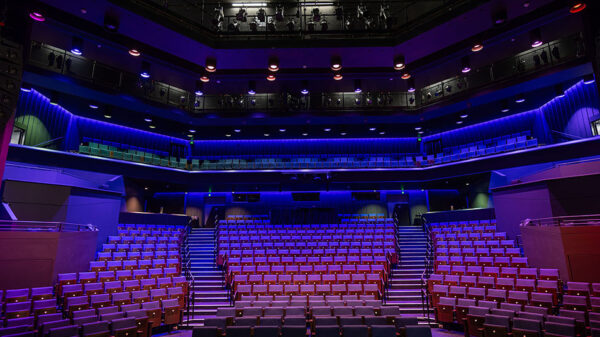
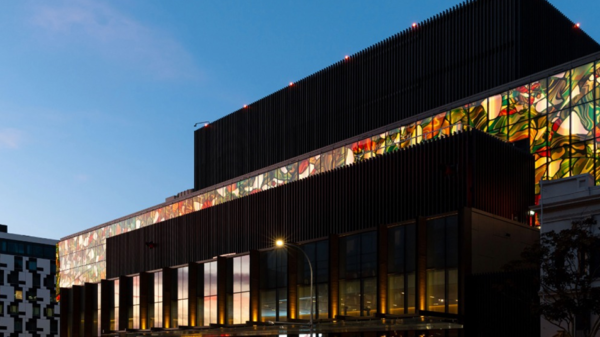
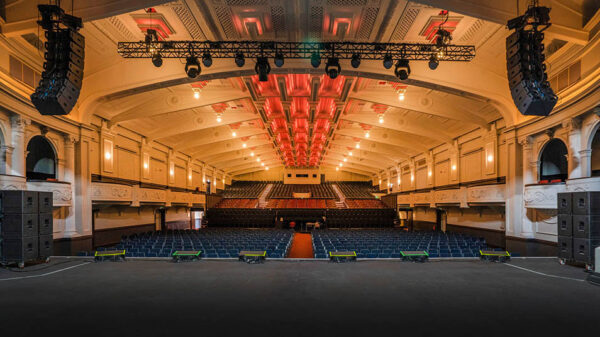


Twice a year, for two weeks at the start of summer and two at the end, the Sydney Opera House runs a unique concert series – On the Steps. Set on the stunning open-air forecourt of this iconic venue with views over Sydney Harbour, the steps become the seating, and the show goes on rain or shine.
In the past, the program has featured national and international acts such as Glass Animals, Franz Ferdinand, New Order, and now Wolf Alice, who are scheduled to kick off the December 2026 run.
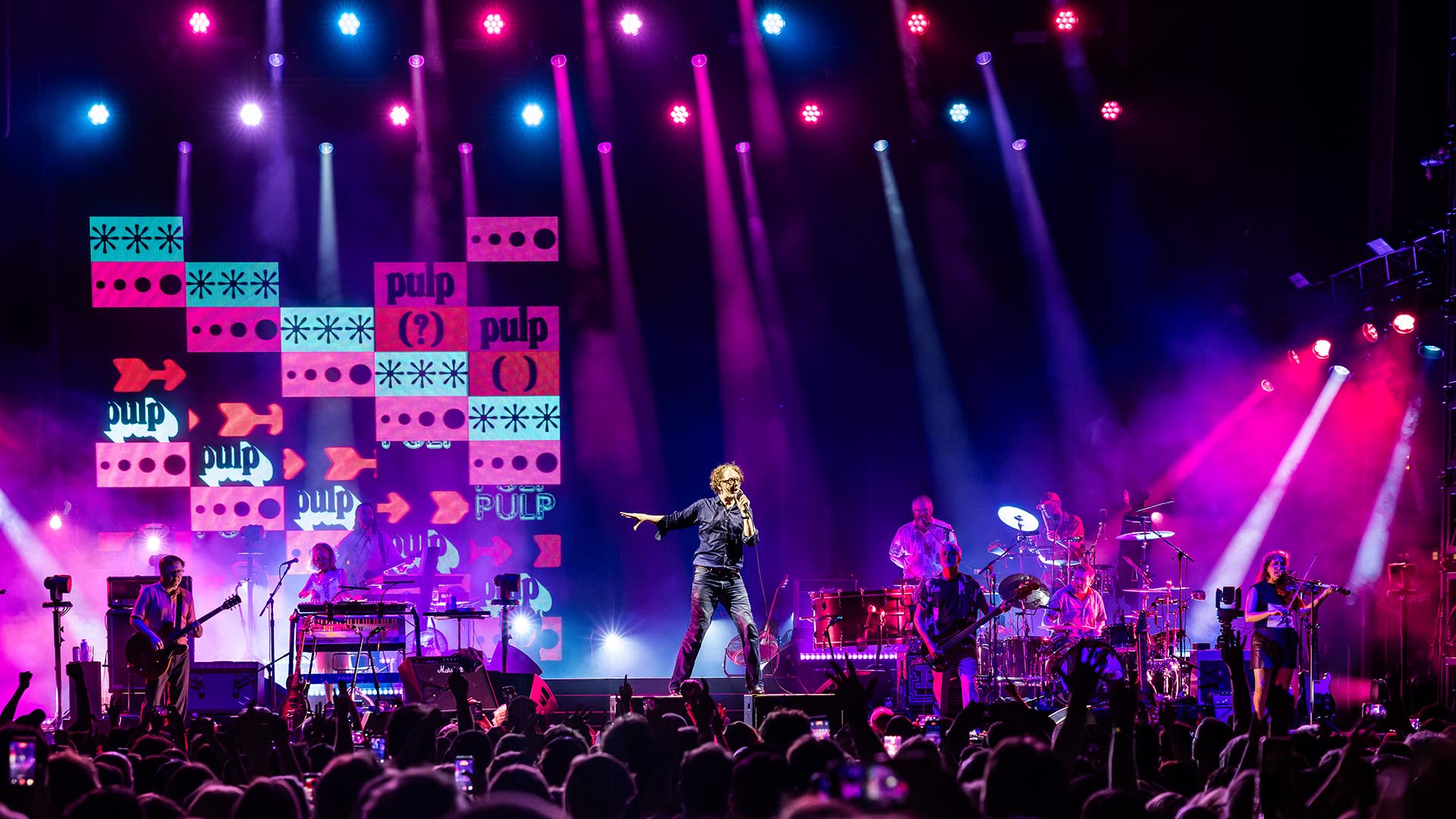
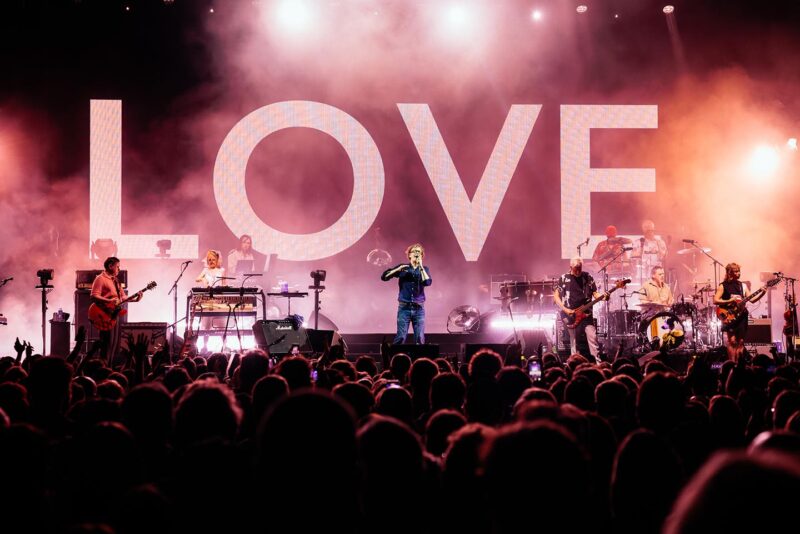
In March, the distinguished line-up of Grace Jones, The Streets, and Basement Jaxx was joined by Britpop icons Pulp. As part of their “You Deserve More” tour through Australia and New Zealand, the acclaimed Sheffield group delivered two sold-out performances at the harbour front venue.
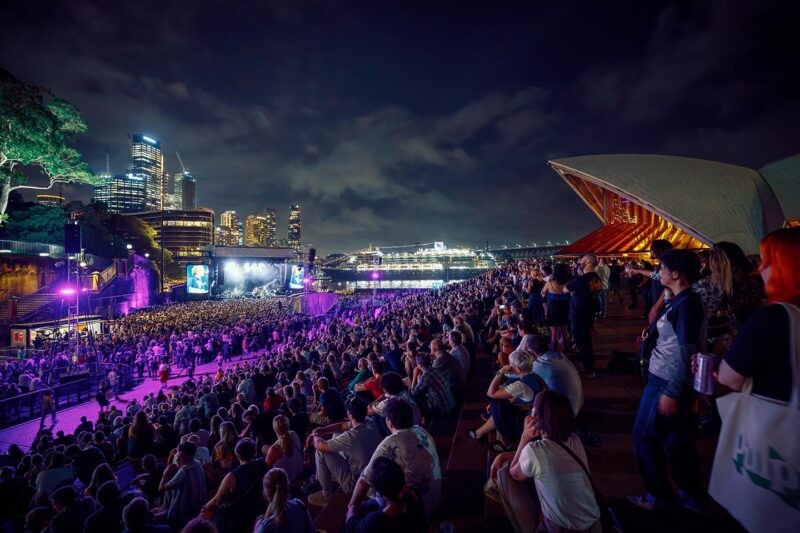
The first night was unbearably hot with high humidity, and the second came with crowd evacuation plans due to a severe storm forecast. Fortunately, the storm was only heavy rain, but that didn’t dampen the crowd’s enthusiasm.
Production Manager Jerry Hough joined Pulp’s crew in 2023 and has been kept busy with the band ever since. It started with headlining festivals in the UK, but at that stage, Hough was their rigger. More shows followed in South America, and then, in 2024, European festivals with reduced production.
“We then went out to the States to play quite small venues, mainly nightclubs, with a different design,” continued Hough. “They produced another show at the beginning of last year, which was an arena show for the UK.”
Hough says, from his point of view, the Australian tour has been relatively easy thanks to the promoters, Handsome Tours, and their local production manager, Chris Upjohn, and production coordinator, Shannon Ward.
“All of the logistics, the trucking, all of that kind of thing, crew calls, which I would normally be doing, Chris has been dealing with, because he knows the venues, he knows the people,” added Hough. “We’ve only flown with our backline and media server, which we’ve bought in from the UK, so everything else is locally supplied. And again, Chris has handled putting together deals with suppliers and working all that out, so there’s a big chunk of my normal job that’s been taken care of for me.”
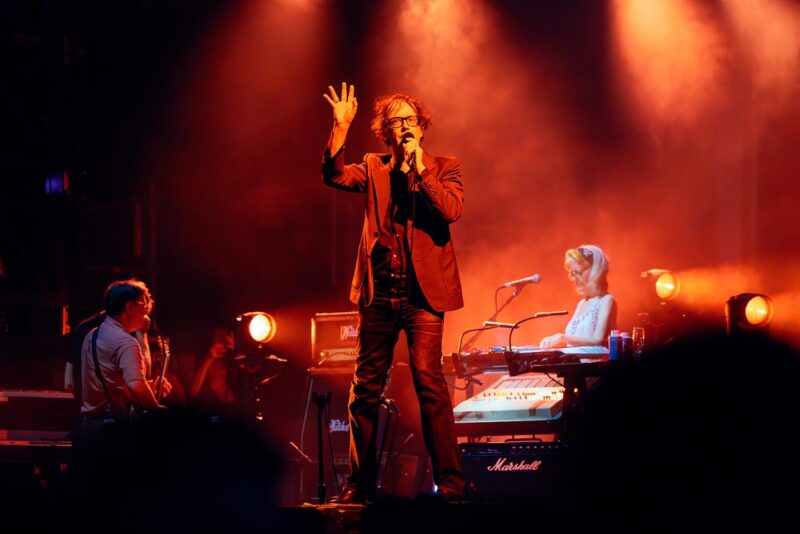
Hough’s rigging background has been quite handy in producing the rigging plots. On a tour of this size, which is quite small, and with a limited budget, that’s useful as you don’t have to go to the suppliers and pay them to do it.
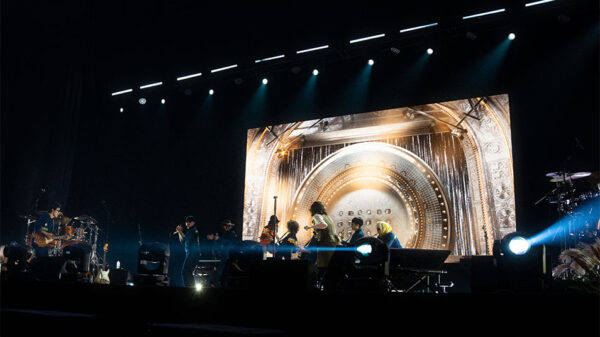
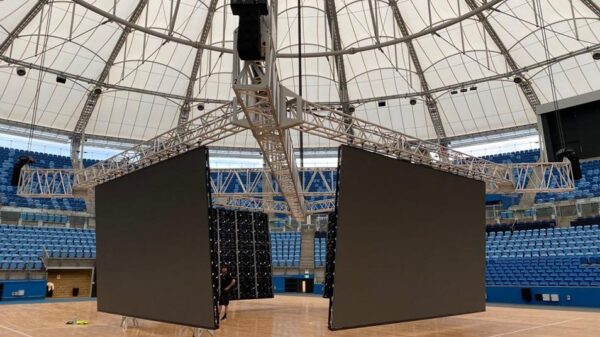
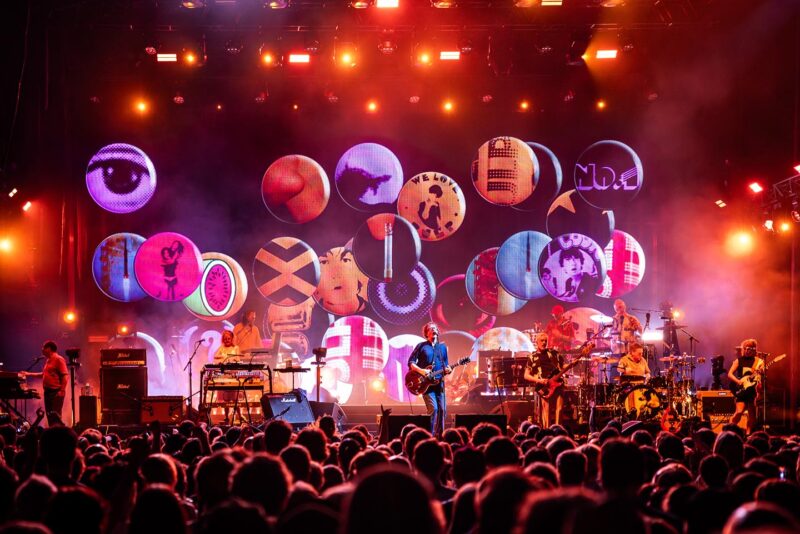
The Sydney Opera House supplied the stage, overhead lighting rig and PA system, so all that was required was a floor lighting package and an upstage screen. Basement Jaxx played the night before, and The Streets the previous night; both also required a screen.
“Chris kind of knows the people, and he managed to bring a screen in that we could share the cost on, which was great,” said Hough. “We wanted to make some changes to the lighting rig, and because we’re the last show of their run, they were open to that and allowed us to do that. There are very strict working hours here, so if we’d been in the middle of a run, taking down trusses and moving them around and all that just would not have been an option.”
Lighting
Rob Gawler was overseeing Douglas Green’s lighting design for the road, describing the process as pretty fluid.
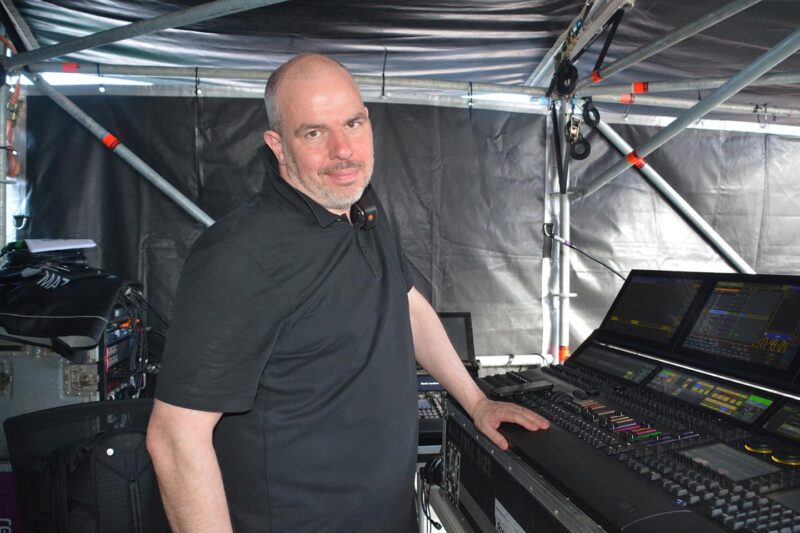
“I started operating the arena tour last year, which had an elegant, minimalist look and was designed with only a couple of quite sparse and simple trusses overhead,” he explained. “There were also ladders off to the side of the stage, and so it ended up being a very widescreen kind of situation. The design was modified for the subsequent American tour, when it became a bit more conventional in its arena format. The ladders went away, and we incorporated a few more fixtures into our overhead trusses. Now it’s simplified again, into more of a local supply package for the rest of the year.”
The video is the show’s main uniqueness, and, as such, everything lighting fixture-wise is interchangeable. Gawler says that in working across territories, it is difficult to rely on the availability of specific fixtures or lighting effects. In Australia, he notes that they had been lucky to have high-quality gear.
The rig at the Sydney Opera House gig was mainly in-house with a touring floor package supplied by Phaseshift Productions. Sydney was a bit more generous with the overhead rig, as it was already installed for a series of concerts. The flown rig comprised four straight trusses and two side trusses. They housed 36 Martin MAC Viper XIP, the main workhorse lights of the show, and 38 MAC Aura XIP. Also flown were 16 GLP JDC Burst 1 and 27 Roxx Cluster B2 FC.
Two of Phaseshifts’s Robe iForte LTX Robospots were added to the front truss, a position Jarvis prefers, as he doesn’t like front-of-house follow spots. He places significant emphasis on engaging with the audience and finds that low-angle shots from lights positioned in front of the stage impair his ability to do so effectively.
The floor package included more MAC Viper XIP on risers of various heights upstage, forming an inverted arc around the bottom of the screen. Four more MAC Viper XIPs were located on either side of the stage floor. GLP impression X4 Bar 20s replicated the pixel effects of the original designs ACME Super Dotline.
“Essentially, there are three lines; one continuous line across the back and then another two lines of impression X4 Bar 20s on the risers behind the musicians,” explained Gawler. “GLP JDC-1s add strobing and colour embellishments, whilst ten Martin MAC Ones provide some low-level band side light.”
With additional lights in the rig to integrate into the design, there was an afternoon of pre-vis in Sydney, with Gawler running the show on an MA Lighting MA3 full-size in MA2 mode.
Video
Video Programmer and Operator Ben Gittos worked closely with Douglas Green, who led the creative direction for the tour, and Pete Thornton of More Eyes, who created the visual content and iMag effects for the new campaign.
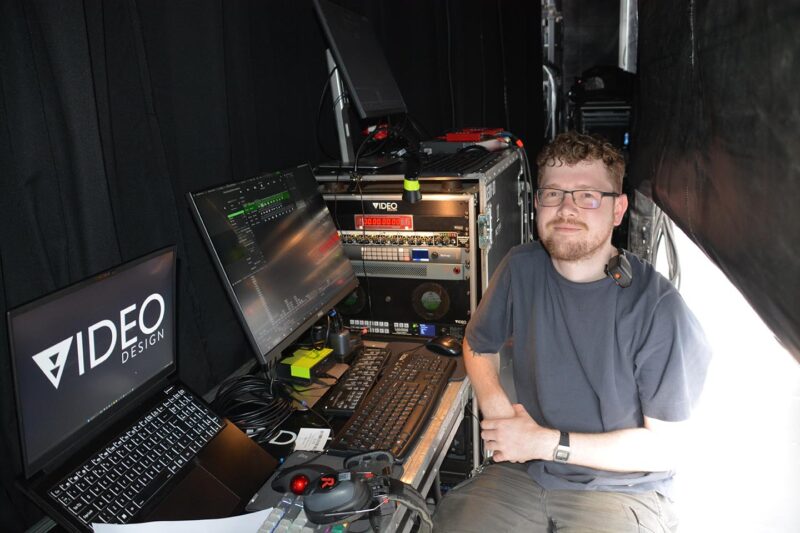
“That’s where the ideas come from,” he says. “Having been part of this tour campaign since 2023, a lot of creative changes now happen on the road. Working with Doug and Pete has been a constant collaboration between the show’s technical knowledge and creative ideas. Typically, when a new idea is suggested, I may generate mockups in Disguise using known assets and cue numbers, and Pete can then take those renders and, working with Doug, refine them into final visuals. Which I then swap out the mock assets for finals.”
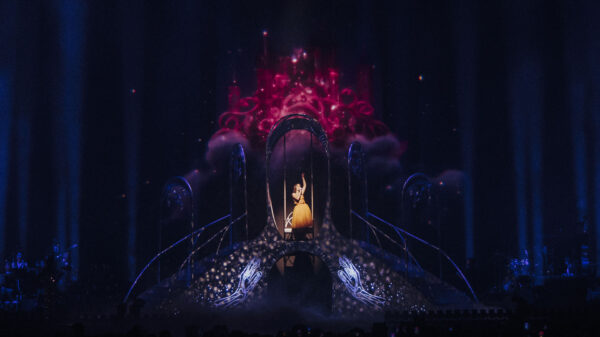
The show utilised two Disguise GX2Cs with two HDMI 4K outputs, supplied by Video Design. Inside Disguise, Gittos utilises Notch VFX, a real-time playback tool, for iMAG effects and content on the upstage screen. It’s all triggered by Rob Gawler on the MA3 at Front of House.
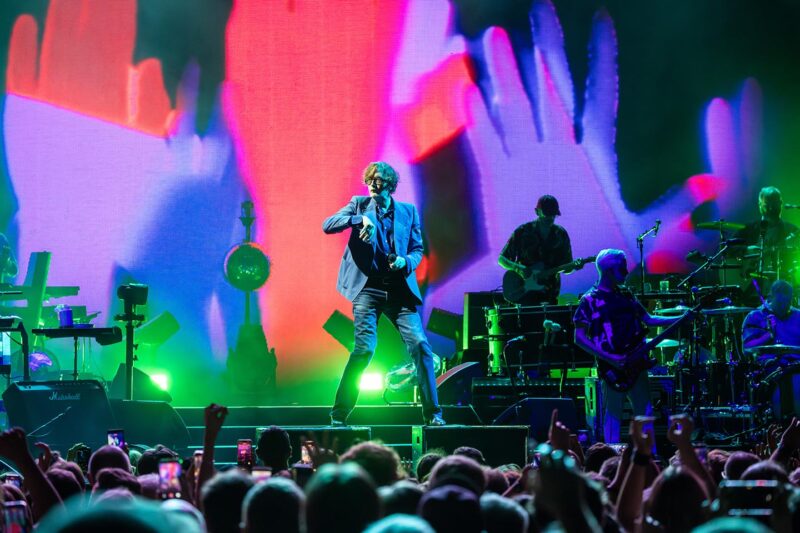
“The bulk of the show is triggered by cues, but we also assign dimmer channels in Disguise,” Gittos elaborated. “For example, in the song O.U. (Gone, Gone), the animation of moving elements for this song is all played back live by using a fader on the MA3. He’s triggering both looks and controlling individual video elements. There’s a lot of moving parts going on with video across most songs.”
When touring at festivals, the screen resolutions are always a variable which the video department can’t control, and it’s a challenge to constantly adapt to new screen sizes. For example, whether iMags are in portrait or landscape orientation, keeping content consistent across shows is simplified with Disguise.
“I’m able to scale content much more efficiently and build a highly customised workflow for very specific songs or iMag looks,” commented Gittos. “Time and space are always limited in festival environments by their nature, so being able to use Disguise where I know I can handle all these new variables with time constraints is great. The original screens were built on the Roe CB5, which gives an almost 2:1 aspect ratio from the original screen size from the arena tour. However, some festival screens may be taller; others may be wider. Disguise allows us to technically deliver what the festival needs to see on house screens while also creatively adjusting the content. It’s a fine balance between getting the right amount of both and delivering Doug’s creative vision consistent with the technical delivery of the show.”
Gittos notes that walking into a completely different stage each day and delivering a show that not only looks but also feels the same for the artists is a very rewarding challenge.
Pulp tour South America through June, followed by a few European festival shows.
Photos: Daniel Boud
This article appeared in the May edition of Lighting & Sound International magazine.