


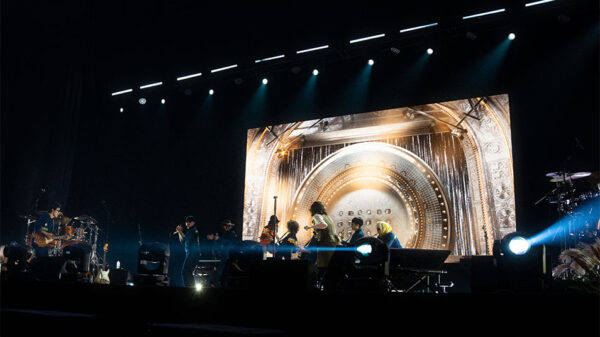
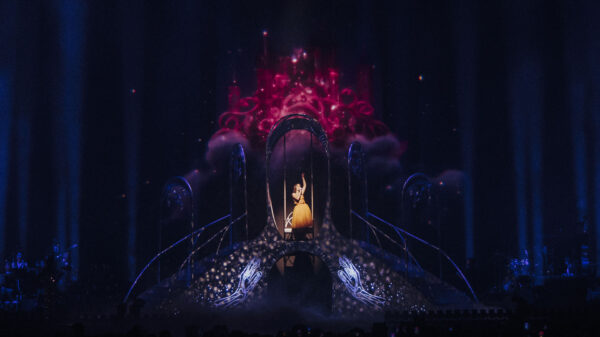
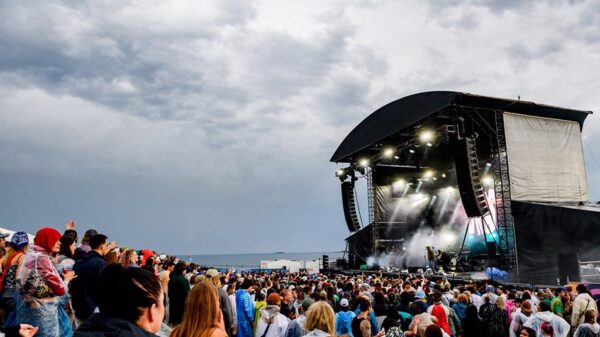












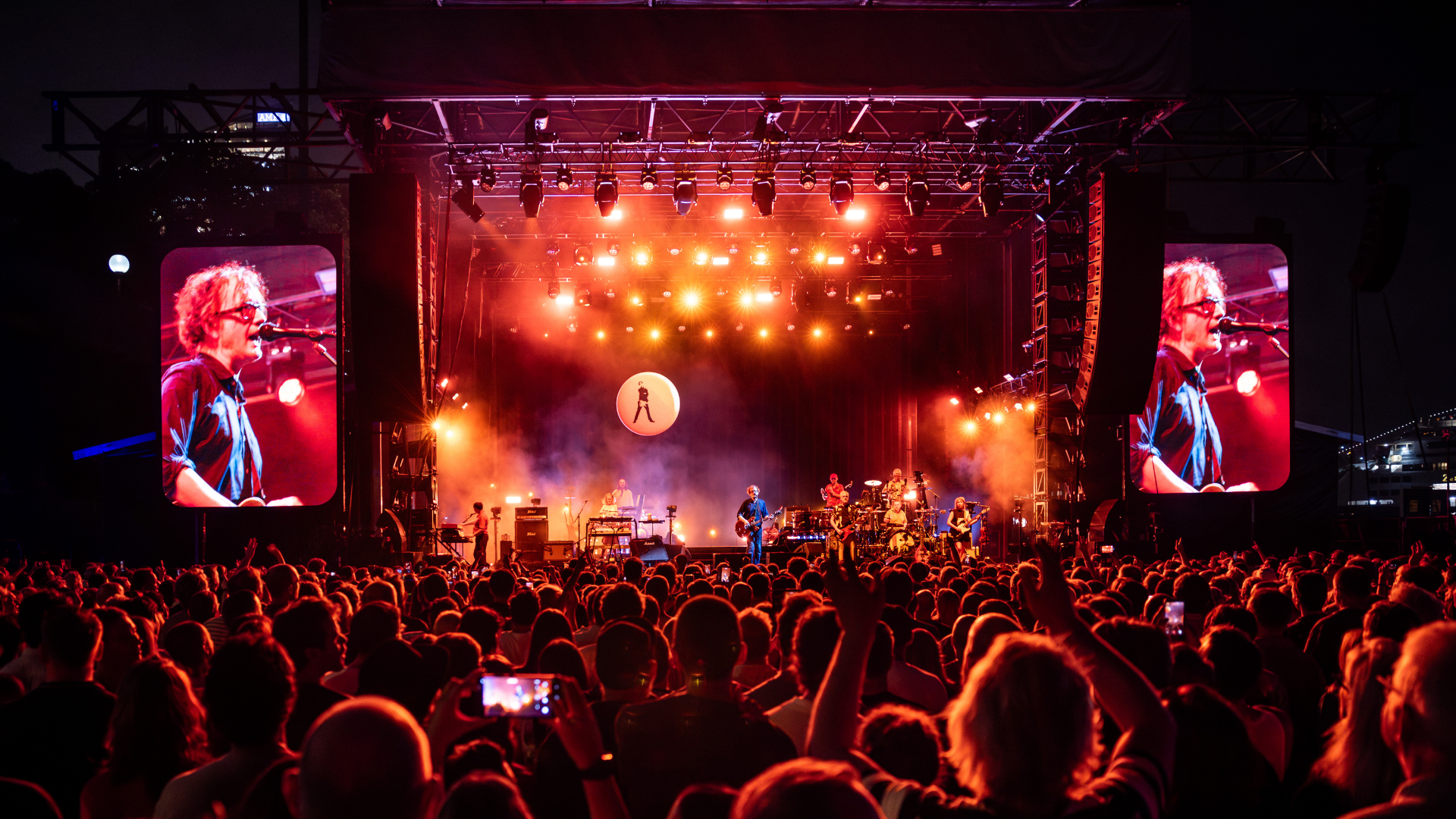
In March, Britpop icons Pulp delivered two sold-out performances at On The Steps, Sydney Opera House, as part of their “You Deserve More” tour through Australia and New Zealand.
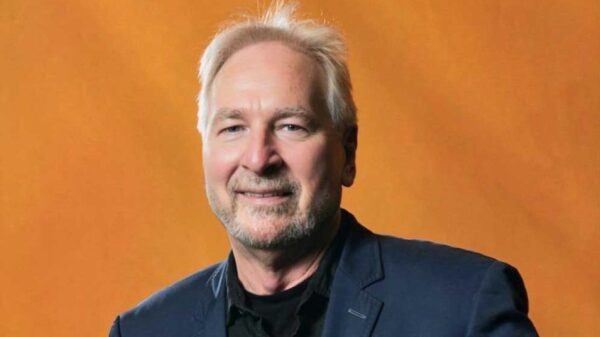
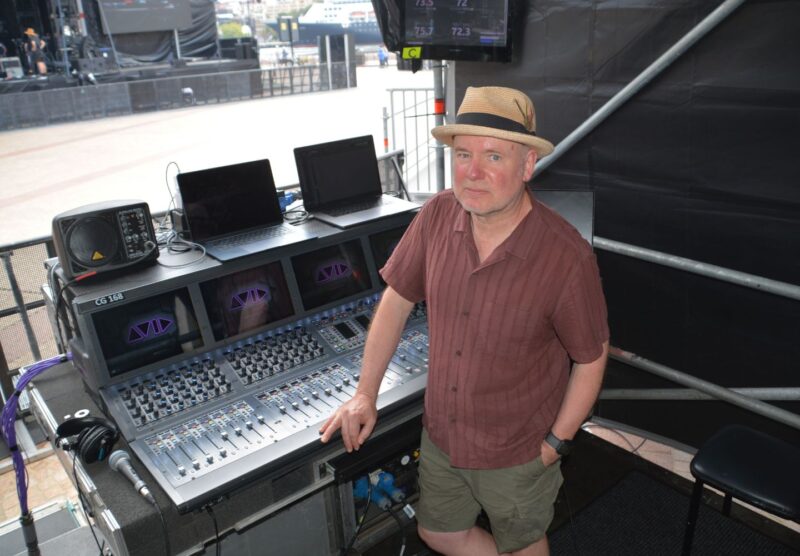
FOH Engineer Max Bisgrove, who has been mixing sound since 1986, is best known for mixing Iggy Pop for the last 35 years, as well as David Bowie and The Corrs for many years. He only recently started working with Pulp, with Sydney being only his fifth show.
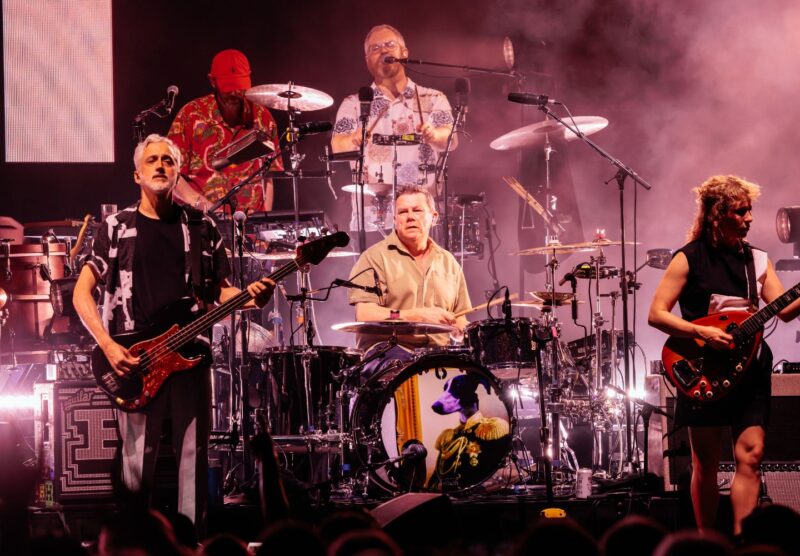
“I’ve done a load of homework because they have a list of nearly 40 songs to pick from!” he said. “I knew a lot of them anyway, but I took a very deep dive. We had a few rehearsals, were able to multitrack, and I spent days working with it, because there’s so much going on up there. There are nine musicians, and they keep swapping instruments. I’ve got over 70 input channels, which is an awful lot.”
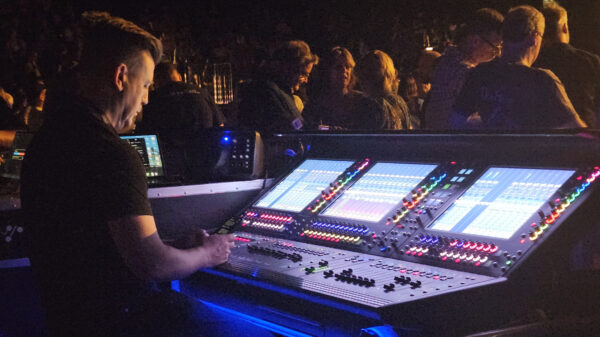
Bisgrove is a self-confessed Avid man, claiming he was one of the first to adopt the Avid VENUE | S6L console. In fact, he tried to take one out before it was even ready, and he had to go back to using a Profile!
“For me, it’s the workflow, it’s so intuitive, I find it incredibly quick, and anything I want to do in terms of bussing and patching, I can just do it,” he commented. “If you think of something, you can do it quickly without having to scratch your head. I also love the layout because I can go through all the songs, and only the instruments used in each song appear in front of me. As you go to each song, the layout changes every single time. When you’ve got so many channels, that just speeds the whole thing up and not looking at channels which aren’t being used – that is a big one for me.”
Bisgrove used a Waves plugin server because with so much going on onstage, he thought he could do with a few more tools in the toolbox, and he says it has been useful. He describes the F6 Floating-Band Dynamic EQs as fantastic for keeping things smooth and under control.
“I’ve also got a Neve Portico II Master Buss Processor to add some analogue warmth,” added Bisgrove. “It’s inserted over the main bus, a little bit of compression there, a bit of depth, a bit of width. I find that used quite a bit on shows. It helps because when it’s all digital, it can get a little bit…well, digital, weirdly enough!”
Parallel compression is used on drums and percussion, which helps to make them pop. Waves Abbey Road Reverb Plates are used for drums and vocals.
One of the challenges with mixing Pulp is that there are often two musicians doing the same thing at the same time. For example, Candida and Richard might both be playing a string patch, and Bisgrove must get a blend so that both elements are heard without getting too overpowering or turning into one big mush.

“It’s down to frequency choice, so that you’re not getting too much going on in the low-mids at any one time, or the high-mids on the guitars,” he commented. “Jarvis is great, he’s using an Audix OM5 microphone, which is a bit old school these days, but he seems to make it work. He sits right on the capsule all night, and I must ensure it’s not too boomy in the low end. That’s always a bit of a balancing act, but generally, vocals are great.”
Bisgrove must also ensure that the violin and viola, which tend to get a little scratchy, sound a bit warmer. They recently changed the viola’s pickup because it was just so piercing, and whilst the new one is dull, it works better.
Jarvis refuses to use IEMs, and he has ‘wedges everywhere’, so the stage is loud. Fortunately, Bisgrove is used to that, adding that he grew up with loud stages.
Bisgrove had been concerned that the Sydney Opera House would impose draconian noise level limits, but he was pleasantly surprised, saying, “It was fine. It was sitting at around 99 dB, although you always like it a little more. They seem to have done a lot of work to keep it contained within this area, and apparently, it’s really worked.”
Audio was supplied by JPJ Audio, including a d&b audiotechnik KSL PA system.
Monitors
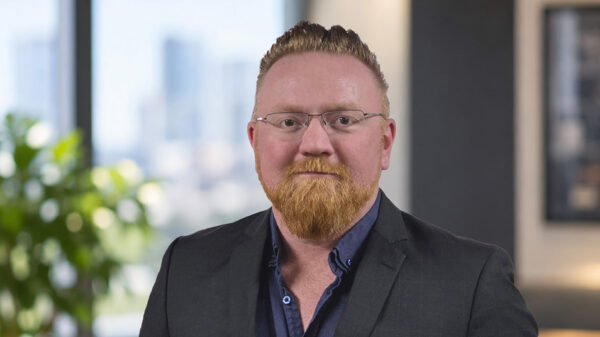
Monitor Engineer Neil Anthony Heal has worked with numerous bands in various roles, including Vampire Weekend, The White Stripes and Kings of Leon. He has worked with Pulp on and off over the years.
Heal was pleased to have Alfie Wilcox, RF Technician, along for the tour, jokingly saying he does all the ‘tech shit’ while Heal just mixes it and people smile at him! He adds that he couldn’t do it without him.
Heal ran a DiGiCo Quantum SD5, a console he says he has been using frequently, as well as other models and makes.
“The DiGiCo range just hands down sounds better to my ears than all the other ones, so I’ve been with them since,” he remarked. “It’s the flexibility of just having anything, anywhere on it. And having custom layouts, which I know you can do with other consoles. It just seems way more flexible, and I like the workflow. It’s very easy to get things very quickly. I’ve got a lot of inputs and outputs on this, so it’s important to have them all to hand.”
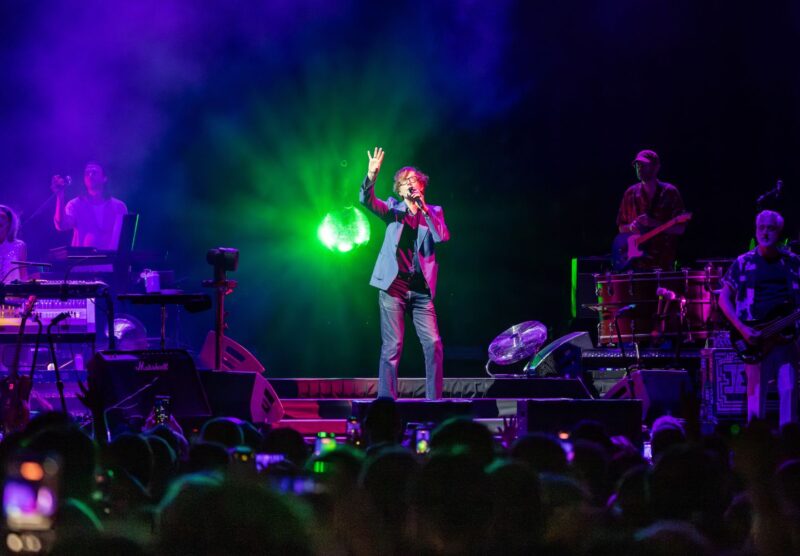
Heal had 112 inputs and 28 mixers, so there was a lot going on. He had no outboard gear and said it was all quite straightforward. Jarvis has eleven wedges and side fills, and he will go all over the stage, and he basically has a front-of-house mix wherever he is.
“It’s following him around the stage and adjusting things as to where he is. You know, that’s the main thing. Everybody else is on ears, except Candida, who also has a stereo pair of wedges,and their talk to monitor requests goes straight to Alfie, not to me, because I’m just looking at Jarvis most of the time, and then Alfie will tap me on the shoulder with any requests, and I can switch to their mix and do the changes, but it’s eyes on Jarvis.
A younger, less experienced engineer might be intimidated by the wedges, the large channel count and the number of mixes. But once it’s set up and running, and with the workflow, Heal insists it’s not challenging.
Most of the shows were outdoors in Australia, which Heal says was great – apart from the heat!
“Occasionally, when we’re inside, and the rooms are boomy, you’ve got to get over what’s happening in the room,” he said. “We just work well with Max, and we go on the vocals, and if there are any nasty little spikes that are affecting the stage, then he can notch them out at the front of the house. And if there’s anything that I’m doing that’s affecting the front of the house, then I can notch it out. It’s just working together. And Max is great for that.”
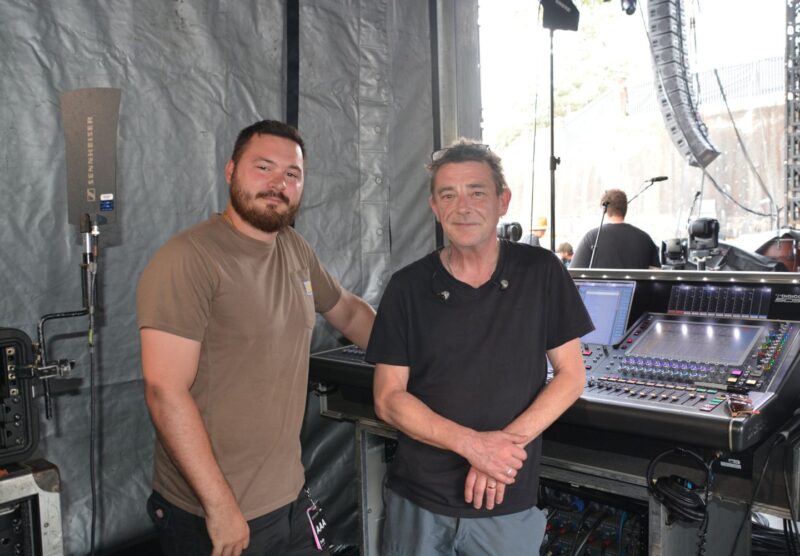
Alfie Wilcox helped design and build the line system, starting when the band was reformed a few years ago. He has recently finished touring with Duran Duran and often works with The Cure, but describes Pulp as his long-term project. Over six years, he has created an ‘audio bible’, a spreadsheet covering everything from inputs and outputs to stage plot and all other tech details.
“We had an initial input list, which I’ve expanded over time and tried to make sense of the ever-changing musical and technical setup, so we can keep recreating this rig wherever we go in the world,” he said. “The RF has changed a fair bit over the years. Last year, they were touring with a 10-piece string section, so we had to have a lot more going on. We were using Klang for a while, so they all had their personal mixers as it was becoming a far bigger show. There were 19 musicians onstage, plus the occasional guest, and trying to mix them all from one console was becoming quite a lot. So, we were using Klang to ease pressure on the monitor engineer, but we also had a lot of extra RF requirements, too, because all the string players were also on in-ears as well as they had wireless microphones, as they were all singing, we were using Shure Axient for that.”
The Australian tour saw it back down to basics, but still nine band members. Seven of which are on a variety of IEMs with Shure PSM 1000 Personal Monitor Systems.
Wilcox commented that the Sydney Opera House forecourt was a surprisingly clean RF environment. In fact, considering that at least half of the gigs they did were outdoors, he was astonished by how much RF spectrum was available.
“Often, you get into some cities, in America particularly, and it’s just chaos,” he said. “You’re just trying to find any little gap, but here it’s relatively quiet, so that has been a pleasure to deal with.”
Photos: Daniel Boud
This article appeared in the May edition of Lighting & Sound International magazine.