








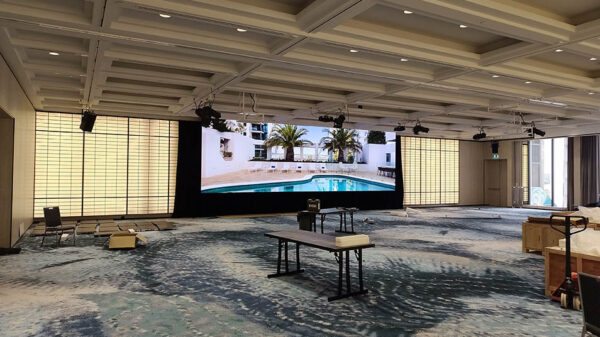






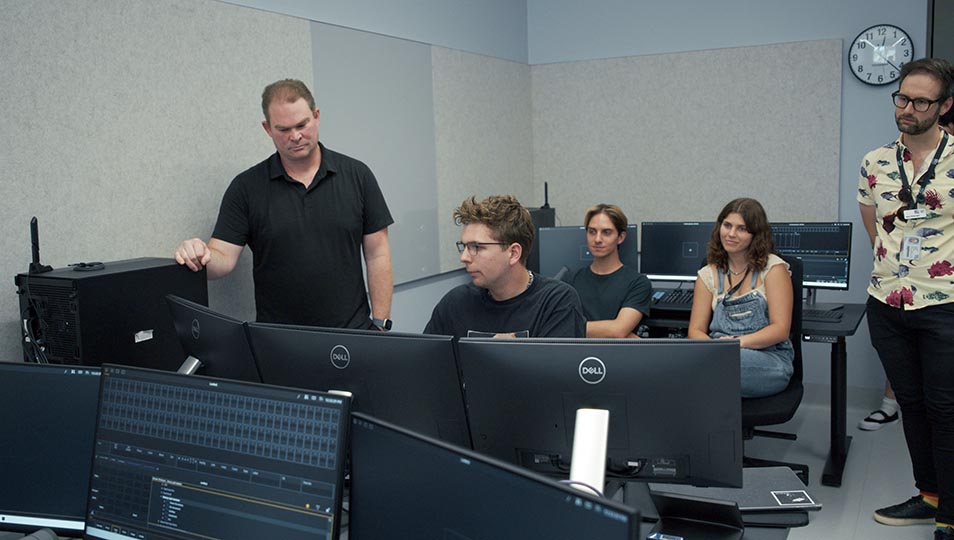
The world-renowned Western Australian Academy of Performing Arts (WAAPA) used its move into Edith Cowan University’s new city campus in Perth to rethink how its lighting students learn the console. To give every student genuine hands-on time, a dedicated Eos training room was created: eight complete student stations built on ETC Eos programming and fader wings, plus a ninth console for the trainer, specified by MAXCO Australia and supported by Jands.
The Challenge
For WAAPA, the move to the new campus created an opportunity to rethink how lighting students learnt console programming. The challenge was finding a way to give every student meaningful hands-on experience with the same professional hardware they would encounter in production.
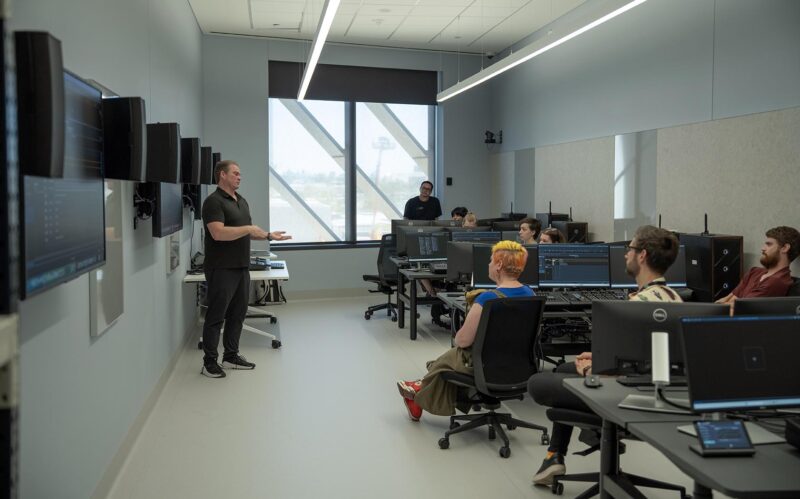
“Traditionally, we were taught by standing around a single console, eight or 12 of us, practising that way, so you essentially only got about 10 or 12 keystrokes before someone else’s turn. I thought that was a bit of a weak part of training,” said Jason Glenwright, former Course Coordinator of Lighting at WAAPA. “What if we had a space designed to allow eight students at a time to get their hands on a physical console, to get their basics, keystrokes and hand coordination down pat before they move into a theatre to work on productions?”
The Solution
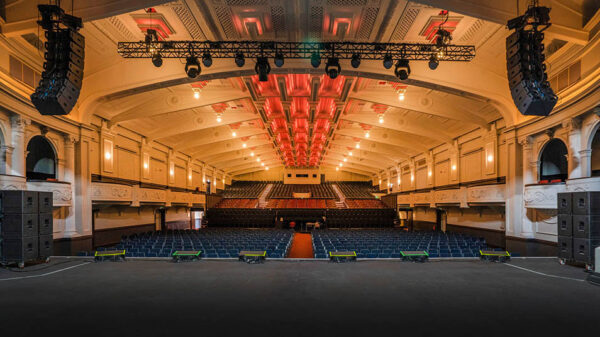
The answer was a purpose-built console training studio within the new campus, designed to give multiple students simultaneous access to ETC Eos programming hardware. The platform also looks beyond the classroom: WAAPA’s venues run desks from the same Eos family, including the Apex 5, Apex 10, Ion Xe and RPU, so the skills students develop in the studio transfer directly into production.
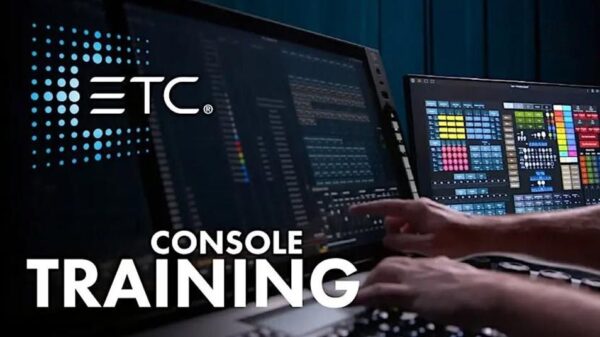
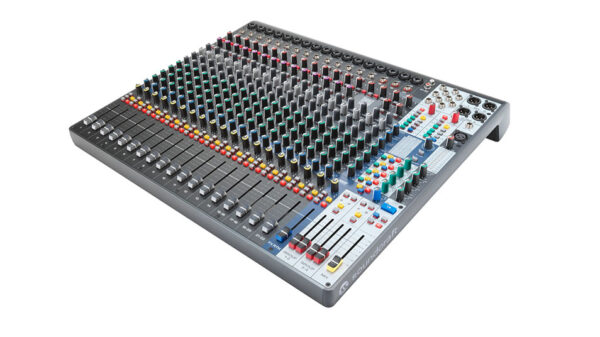
Eight identical stations fill the room. Each pairs an Eos programming wing with a submaster fader wing and a high-performance computer, so every seat offers the physical hardware of a full console alongside visualisation software that renders lighting rigs in 3D as students work.
“On top of having the eight training consoles in here for the students, we also have a ninth console, which the trainer can use, with the added benefit that we can put cameras above it,” said Mr Glenwright. “With the screens in the front of the room, we can show the keystrokes, so students can watch the presenter demonstrate, have it presented on the televisions in front of them, and have that full trainer-led experience.”
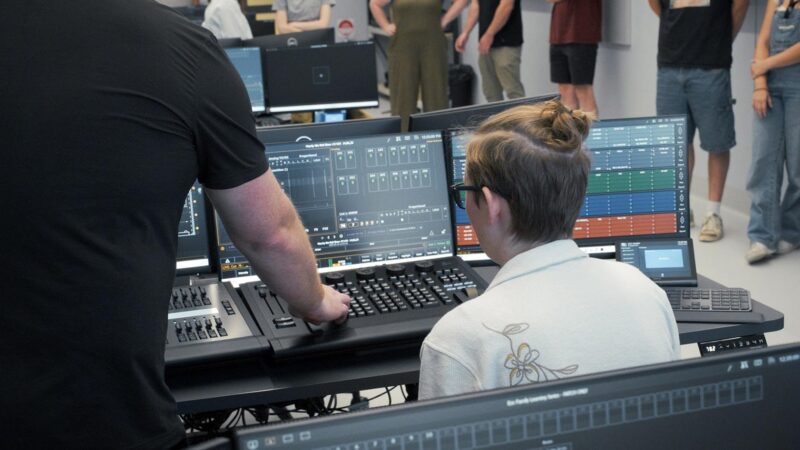
The insistence on physical hardware at every seat was deliberate. “Having this room is such an advantage over what we had previously,” said Karen Cook, Lecturer in Lighting at WAAPA. “What we had before was set up with touch screens, so we’d get virtual keypads on a touch screen, and we were really encouraged to use that. It’s not the same as having the tactile interaction that you get with a programming wing. It would also mean that students would tend to just start relying on QWERTY keyboard shortcuts, which is a nice thing to have, but doesn’t really replicate what we want them to be doing on production.”
The Outcome
The impact is already clear: students now have dedicated access to ETC Eos consoles during and outside scheduled classes, allowing them to build programming skills through repeated hands-on practice before entering live productions. For beginners especially, the tactile experience helps make an unfamiliar process more accessible.
“The more that we can do not virtually, the more engaging it is, and the easier it is for someone to come into it at entry level. And then the easier it is to develop those skills,” said Ms Cook.
It is a room built for the unglamorous hours that turn beginners into fast, confident operators, and it will give every cohort that follows the same start.
The Collaborative Effort
Simon Tye, Technical Systems Manager at Jands, runs the company’s regular ETC training courses, and he judges the WAAPA studio by the situations it prepares students for.
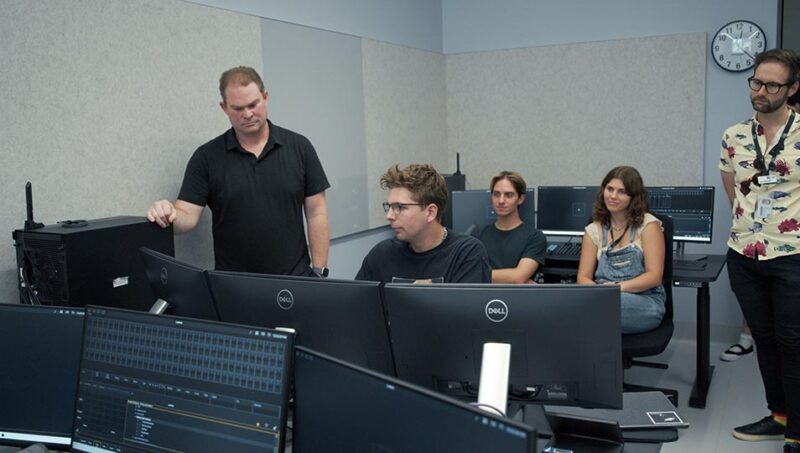
“WAAPA have been blessed to be able to create the Eos experience for students, to be able to spend time outside of class, inside of class,” said Mr Tye. “When you’re in a high-pressure situation, plotting to a time limit because the director and the performers need to practise, that is what we spend our time getting towards. Taking training of Eos offline, taking training of any console offline, is so important. You can press the buttons, learn where they are, make mistakes. Their Eos room is one of a kind. There is nothing like that anywhere else in the country.”
Mr Tye rates the wider WAAPA installation as one of the largest ETC console installs in an Australian educational institution, and the training room as finished to a standard where Jands could deliver its own Eos courses on site.